

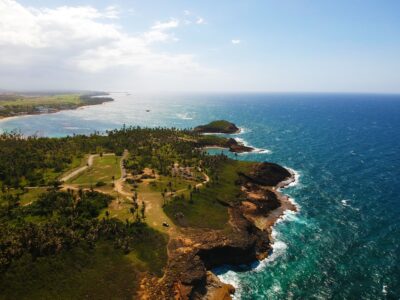
A vacant parcel near the beach can look simple from the road: palms, open views, and room to build. But buying Dominican Republic land is not simply a matter of choosing the prettiest lot. On the North Coast, the value of land depends on its title history, legal access, utility availability, zoning possibilities, topography, and the specific community around it. The right parcel can become a private villa, a small rental compound, a commercial project, or a long-term hold. The wrong one can create expensive delays before construction ever begins.
For international buyers considering Sosúa, Cabarete, and nearby North Coast communities, local due diligence turns an attractive opportunity into a sound real estate decision.
Why North Coast Land Draws International Buyers
The North Coast offers a combination that is difficult to replicate: a Caribbean lifestyle, established expat communities, international accessibility through Puerto Plata airport, and active demand for vacation rentals and second homes. Buyers can find land close to beaches, residential neighborhoods, restaurants, schools, and water-sports areas, while still having more flexibility than they might find in fully built-out resort markets.
Sosúa often appeals to buyers who want convenience. It offers established residential areas, beaches, grocery stores, medical services, restaurants, and a strong year-round international community. Land in and around Sosúa may suit a personal residence, vacation villa, duplex, or rental-focused home, depending on the neighborhood and the parcel’s build potential.
Cabarete has a different energy. Known for its beach lifestyle, kiteboarding, surfing, and younger international crowd, it attracts buyers interested in villas, boutique hospitality concepts, rental properties, and lifestyle-driven development. Parcels near Cabarete Bay, Encuentro, Perla Marina, and the road connecting Sosúa and Cabarete can serve very different buyer profiles. A quiet residential lot and a parcel with commercial visibility should never be valued by the same criteria.
Further afield, areas such as Sabaneta de Yásica, Puerto Plata, and countryside locations can offer more space, lower entry points, or mountain-and-ocean views. The trade-off is often distance from beach access, paved roads, utilities, and rental demand. There is no universally best location. The right one depends on whether your priority is privacy, rental income, everyday convenience, or future appreciation.
Start With the Intended Use of the Land
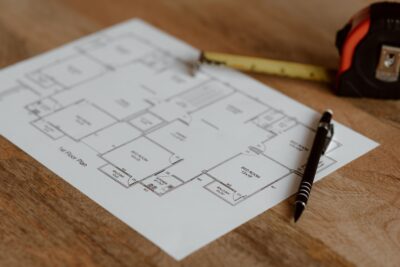
Before comparing lot sizes and asking prices, define what the land needs to do for you. A buyer planning a retirement home has a different checklist than an investor planning several rental villas. A parcel that works well for a private residence may be too small, too steep, or too restricted for a multi-unit project.
For a personal home, access, security, drainage, neighborhood character, and proximity to everyday services usually matter most. For a vacation rental, buyers should also consider drive time to the beach, guest appeal, parking, reliable utilities, and whether the surrounding area supports the nightly rate they expect to achieve.
For a development or income-producing project, the questions become more detailed. Is the road access legally documented? What setbacks or density restrictions apply? Is there enough electrical capacity? Can water be supplied reliably? Will the topography require extensive retaining walls, fill, or drainage work? Low-priced land can lose its advantage quickly if site preparation is complex.
It is also wise to think about the exit strategy before you buy. A parcel that is easy to understand and easy to build on is generally easier to resell. Clear access, a recognized neighborhood, usable terrain, and a clean legal file can matter as much as the view.
What to Verify Before Buying Dominican Republic Land
Land purchases in the Dominican Republic require professional legal review. Foreigners can own property, but buyers should not assume that a fence line, a seller’s statement, or an old informal agreement establishes ownership. A qualified Dominican real estate attorney should review the transaction independently and confirm the facts before funds are transferred.
Title and property boundaries
A valid Certificate of Title is central to a secure purchase. Your attorney should confirm the registered owner, review any liens or encumbrances, verify the parcel description, and ensure the property can be transferred properly. A cadastral survey, known locally as a deslinde, is particularly important because it establishes legally defined boundaries.
Do not rely on approximate dimensions provided in a listing or on a verbal indication of where a property begins and ends. Have the boundaries compared against the survey and physically reviewed when appropriate. On larger parcels and rural land, this step is especially important.
Access, utilities, and drainage
A beautiful lot is far less useful if access depends on crossing a neighboring property without a documented right of way. Confirm whether the road is public, private, or subject to an easement, and understand who maintains it. During the rainy season, road conditions and water runoff can change dramatically, so a site visit should look beyond dry-weather appearances.
Ask practical questions about electrical service, water source, internet availability, septic requirements, and stormwater management. Within established gated communities, many of these issues may already be organized. Outside them, the buyer may need to budget for wells, cisterns, backup power, drainage, road improvements, and other infrastructure.
Zoning, restrictions, and buildability
A parcel’s size does not automatically determine what can be built there. Municipal rules, environmental considerations, community regulations, coastal restrictions, and existing easements may affect setbacks, height, density, or permitted use.
If your plan is to build rental villas, a small hotel, or a commercial property, investigate these points before negotiating a final purchase. A buyer who wants a quiet home may prefer deed restrictions that limit dense development. An investor may see those same restrictions as a limitation. The answer depends on your goals.
Price Is Only One Part of the Land Budget
The purchase price is the most visible number, but it is not the full cost of acquiring and preparing land. Buyers should plan for legal fees, transfer taxes, survey-related work if needed, and transaction expenses. If the parcel is financed through a private arrangement, the terms should be reviewed carefully and documented correctly.
Construction-related costs deserve equal attention. Clearing vegetation, grading a sloped site, connecting utilities, building retaining walls, installing a septic system, and creating a driveway can materially change the overall budget. Ocean-view land is often appealing precisely because it sits higher, but hillside construction may cost more than building on level ground.
For investors, the best value is not always the lowest price per square meter. A more expensive parcel in a proven rental area with paved access, reliable utilities, and a straightforward building path may produce a better result than a larger, cheaper parcel that requires years of infrastructure work.
Gated Community or Independent Parcel?
This is one of the most useful decisions to make early. Land in a gated community can offer security, maintained roads, established utility systems, building guidelines, and a more predictable neighborhood environment. It can be a practical choice for overseas owners who will not be present every month during construction.
The trade-off is less freedom. Homeowners association fees, architectural approval requirements, construction schedules, rental rules, and design restrictions may apply. Buyers should request and review community regulations before committing to a purchase, especially if rental income is part of the plan.
An independent parcel may provide more space, privacy, flexibility, or value. It can also allow a buyer to create a more customized project. However, independent land generally requires more direct management of access, security, utilities, permits, and maintenance. For some owners, that independence is exactly the appeal. For others, it becomes an unnecessary operational burden.
How to Evaluate a Parcel During a Site Visit
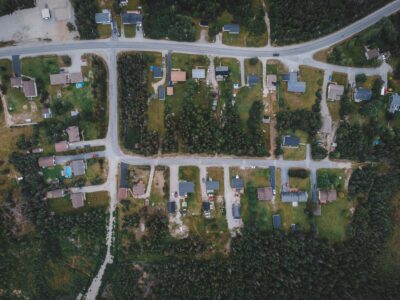
Photos and aerial maps are useful starting points, but land should be experienced in person whenever possible. Visit at different times of day to understand sun exposure, road activity, neighborhood noise, and prevailing breezes. If you are near the coast, pay attention to salt exposure and wind. If you are on a hillside, look carefully at slope, drainage channels, and the practical location for a driveway and building footprint.
Stand on the property and ask what will remain after construction begins. Will a neighboring lot block the ocean view? Is the nearby road likely to become busier? Are there visible utility lines, informal paths, drainage ditches, or neighboring structures that do not appear in listing photos? A local professional can help you see the factors that are easy to miss during a short viewing trip.
At Sosua Cabarete Real Estate, buyers are guided through the local distinctions that can shape a land purchase, from community character to realistic development considerations. That local perspective is particularly valuable when comparing parcels that appear similar online but offer very different practical outcomes.
A Better Way to Move From Interest to Ownership
The strongest land purchases begin with a defined use, a realistic all-in budget, and a careful legal process. Start by narrowing the search area based on lifestyle and investment priorities, then compare only parcels that genuinely fit your intended project. Once a property stands out, bring in the right legal, survey, construction, and local real estate guidance before making decisions based on urgency or emotion.
The North Coast still offers meaningful opportunities for buyers who approach the market with patience. Choose land that supports the life or investment you want to create, and give the due diligence process the same attention you would give the future home built on it.